
인터넷에는 튜토리얼과 연구 논문부터 레시피, 청구서, 제품 페이지, 중요 문서에 이르기까지 유용한 정보가 가득합니다. 하지만 웹페이지는 끊임없이 변화합니다. 기사가 업데이트되고, 온라인 자료가 사라지고, 웹사이트가 결국에는 접속 불가능해질 수도 있습니다. 이러한 이유로 많은 사람들이 오프라인에서 접속하고 나중에 참고할 수 있도록 웹페이지를 데스크톱에 직접 저장하기를 원합니다.
웹페이지를 바탕화면에 저장하면 인터넷 연결 없이도 언제든지 중요한 콘텐츠에 접근할 수 있습니다. 기사를 보관하거나, 영수증을 저장하거나, 디자인 참고 자료를 보존하거나, 연구 자료를 정리하고 싶을 때, 웹페이지를 컴퓨터에 로컬로 저장하는 간편한 방법들이 여러 가지 있습니다.
이 가이드에서는 웹페이지를 바탕화면에 저장하는 가장 효과적인 방법과 여러 웹페이지를 일괄 저장하는 최적의 솔루션을 알려드립니다.
1. 웹페이지를 HTML 파일로 저장하기
웹페이지를 HTML 파일로 저장하는 것은 오프라인에서 보기 위한 가장 일반적인 방법 중 하나입니다. 이 방법은 웹페이지 구조와 이미지, CSS 파일, 스크립트와 같은 관련 리소스를 함께 저장합니다.
윈도우/맥에서 웹페이지를 HTML로 저장하는 방법 :
- 저장하고 싶은 웹페이지를 브라우저에서 연 다음 누르세요. 컨트롤 + S (윈도우) 또는 Command + S (Mac) 키보드에서.
- 선택하다 데스크톱 저장 위치로 사용합니다.
- 다음 형식 중 하나를 선택하세요:
- 웹페이지, 완료 – 페이지와 관련 파일을 저장합니다.
- 웹페이지, HTML 전용 - 웹페이지를 독립형 HTML 파일로 내보냅니다.
- 딸깍 하는 소리 구하다 .
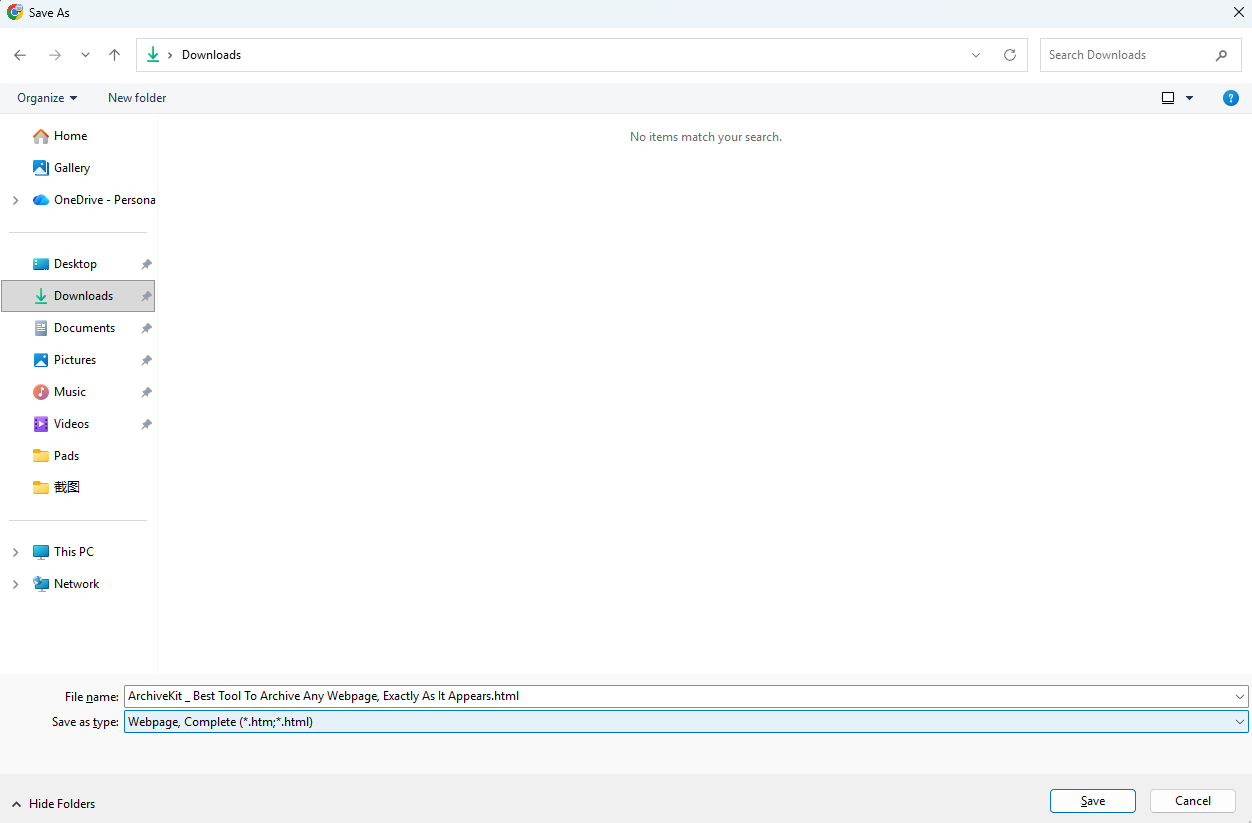
이제 웹페이지가 HTML 파일 형식으로 바탕화면에 나타나며, 이미지 및 기타 웹페이지 관련 자료가 담긴 폴더도 함께 생성됩니다.
HTML로 저장하는 것의 장점 :
- 오프라인 보기 가능
- 웹페이지 레이아웃과 서식을 유지합니다.
- 어떤 브라우저에서든 쉽게 열 수 있습니다.
- 빠르고 모든 주요 브라우저에 내장되어 있습니다.
제한 사항:
- 동적 웹페이지가 제대로 저장되지 않을 수 있습니다.
- 오프라인 환경에서는 일부 이미지나 스크립트가 제대로 작동하지 않을 수 있습니다.
- 웹페이지 리소스를 위한 추가 폴더를 생성합니다.
2. 웹페이지를 PDF로 저장하기
웹페이지를 PDF로 저장하는 것도 인기 있는 옵션 중 하나인데, 특히 나중에 인쇄하거나 공유하고 싶은 문서, 영수증, 튜토리얼 또는 기사에 유용합니다.
Windows에서 웹페이지를 PDF로 저장하는 방법:
- 웹페이지를 열고 누르세요 Ctrl + P .
- 프린터 또는 목적지에서 선택하세요. PDF로 저장 .
- 선택하다 데스크톱 저장 경로로 지정하고 선택하여 완료하세요. 구하다 .
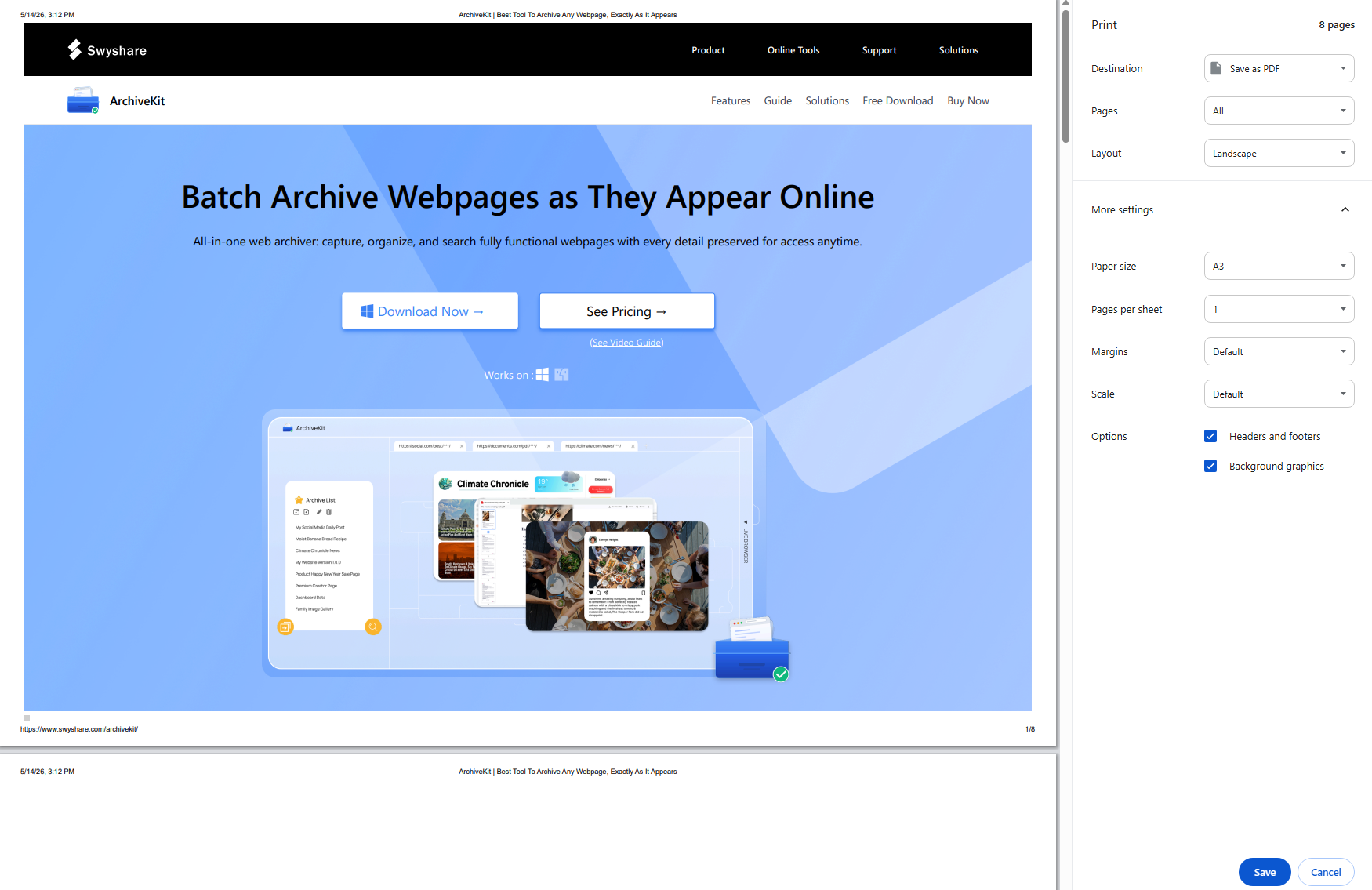
Windows에서 웹페이지를 PDF로 저장하는 방법:
- 웹페이지를 열고 누르세요 Command + P .
- 딸깍 하는 소리 PDF 왼쪽 하단 모서리에서 선택하세요 PDF로 저장 그리고 파일을 바탕화면에 저장하세요.
PDF로 저장하는 것의 장점 :
- 인쇄하기 쉽습니다
- 공유하기에 편리합니다
- 읽기 쉬운 형식을 유지합니다.
- 거의 모든 기기에서 지원됩니다.
제한 사항:
- 상호 작용 요소가 작동하지 않을 수 있습니다.
- 일부 웹페이지 레이아웃이 변경될 수 있습니다.
- 삽입된 동영상 및 애니메이션은 보존되지 않습니다.
3. 웹페이지 바로가기 아이콘을 바탕화면에 생성하세요
오프라인 접속이 필요하지 않고 단순히 웹사이트에 빠르게 접속하고 싶다면 바탕화면에 바로가기를 만드는 것이 가장 쉬운 해결책입니다.
데스크톱에서 웹사이트 바로가기를 만드는 방법 :
- 크롬이나 엣지 브라우저로 웹페이지를 여세요.
- 웹페이지와 바탕 화면을 모두 볼 수 있도록 브라우저 크기를 조정하세요.
- 주소 표시줄에서 자물쇠 아이콘이나 웹사이트 아이콘을 드래그하여 바탕 화면으로 옮기세요.
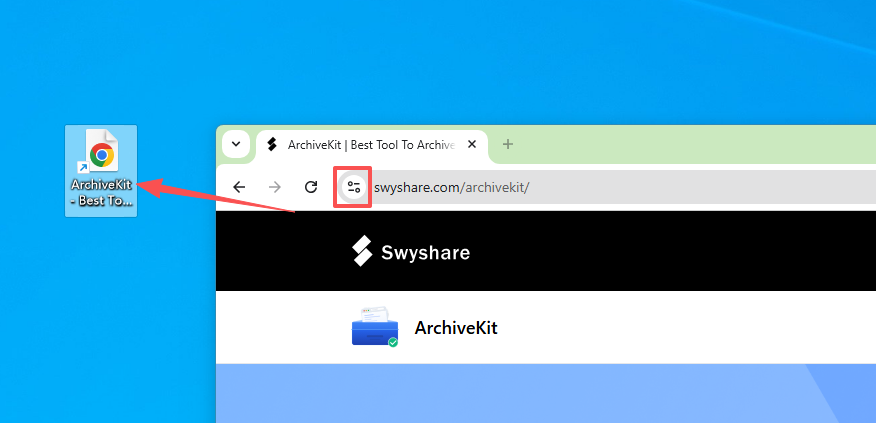
바탕화면에 바로가기 아이콘이 즉시 나타납니다.
크롬에서의 대체 방법 :
- 크롬 메뉴(점 세 개) 열기 > 이동 추가 도구 > 바로가기 만들기 .
- 바로가기 이름을 지정하고 클릭하세요. 만들다 .
데스크톱 바로가기의 장점 :
- 웹사이트에 매우 빠른 속도로 접속할 수 있습니다.
- URL을 수동으로 입력할 필요가 없습니다.
- 간단하고 가볍습니다
제한 사항 :
- 인터넷 연결이 필요합니다.
- 웹페이지 콘텐츠를 저장하지 않습니다.
- 웹사이트는 언제든 변경되거나 사라질 수 있습니다.
4. 전체 페이지 스크린샷 저장
웹페이지의 원래 모습과 디자인을 보존하는 것이 중요한 경우가 있는데, 그런 경우에는 전체 페이지 스크린샷을 찍는 것이 최선의 해결책입니다.
크롬에서 웹페이지 전체 스크린샷을 찍는 방법 :
웹페이지 열기 > 누르기 F12 개발자 도구를 열려면 > 누르세요 Ctrl + Shift + P "스크린샷"을 입력하고 선택하세요. 전체 크기 스크린샷 캡처 .
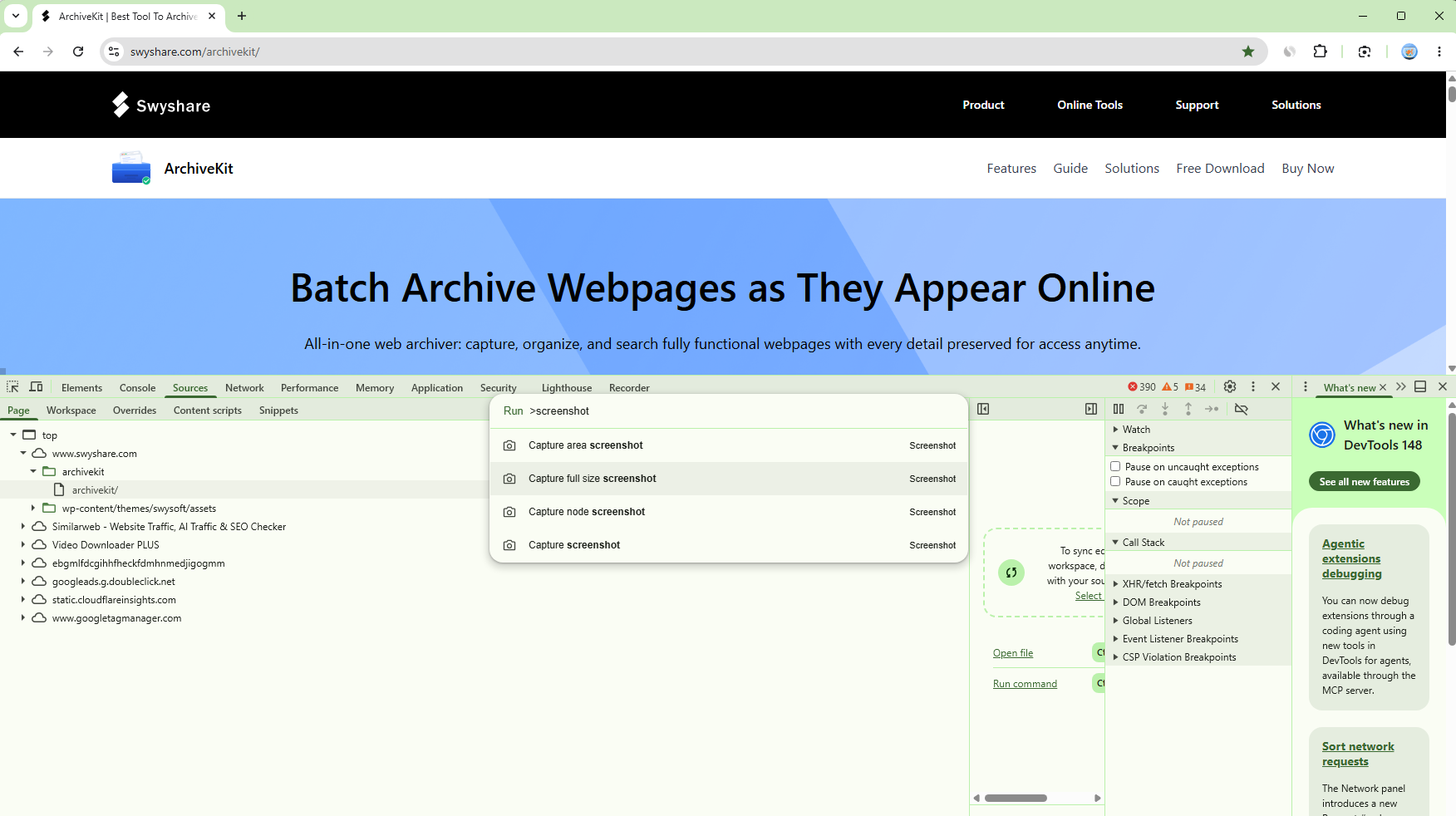
크롬은 웹페이지 전체를 자동으로 PNG 이미지로 저장합니다.
다음과 같은 브라우저 확장 프로그램이나 도구를 사용할 수도 있습니다.
- GoFullPage
- 멋진 스크린샷
- 스나깃
전체 페이지 스크린샷의 장점 :
- 웹페이지의 원래 모습을 그대로 유지합니다.
- 디자인 참고 자료로 아주 좋습니다.
- 문서 및 기록 관리에 유용합니다.
- 시각적으로 쉽게 공유할 수 있습니다
제한 사항 :
- 상호 작용하지 않음
- 텍스트를 항상 쉽게 복사할 수 있는 것은 아닙니다.
- 페이지 크기가 커서 이미지 파일 크기도 커집니다.
5. 가장 추천하는 앱: 웹페이지 일괄 저장(바탕화면에 저장) Swyshare 아카이브킷
기존 브라우저 저장 방식은 개별 웹페이지에는 유용하지만, 최신 웹사이트는 종종 동적 콘텐츠, 무한 스크롤, 지연 로딩 이미지, 대화형 요소 등을 포함하고 있어 표준 저장 방식으로는 이러한 요소들을 완벽하게 보존할 수 없습니다.
웹페이지를 정기적으로 저장하거나 보다 안정적인 오프라인 아카이브 솔루션을 원한다면, Swyshare ArchiveKit은 현재 사용 가능한 최고의 도구 중 하나입니다.
Swyshare 아카이브킷 ArchiveKit은 사용자가 웹페이지를 캡처, 정리하고 오프라인에서 액세스할 수 있도록 설계된 전문 웹페이지 아카이빙 도구입니다. 단순한 브라우저 저장 옵션과 달리 ArchiveKit은 웹페이지를 온라인에서 보이는 그대로 보존하는 데 중점을 둡니다.
ArchiveKit의 주요 기능 :
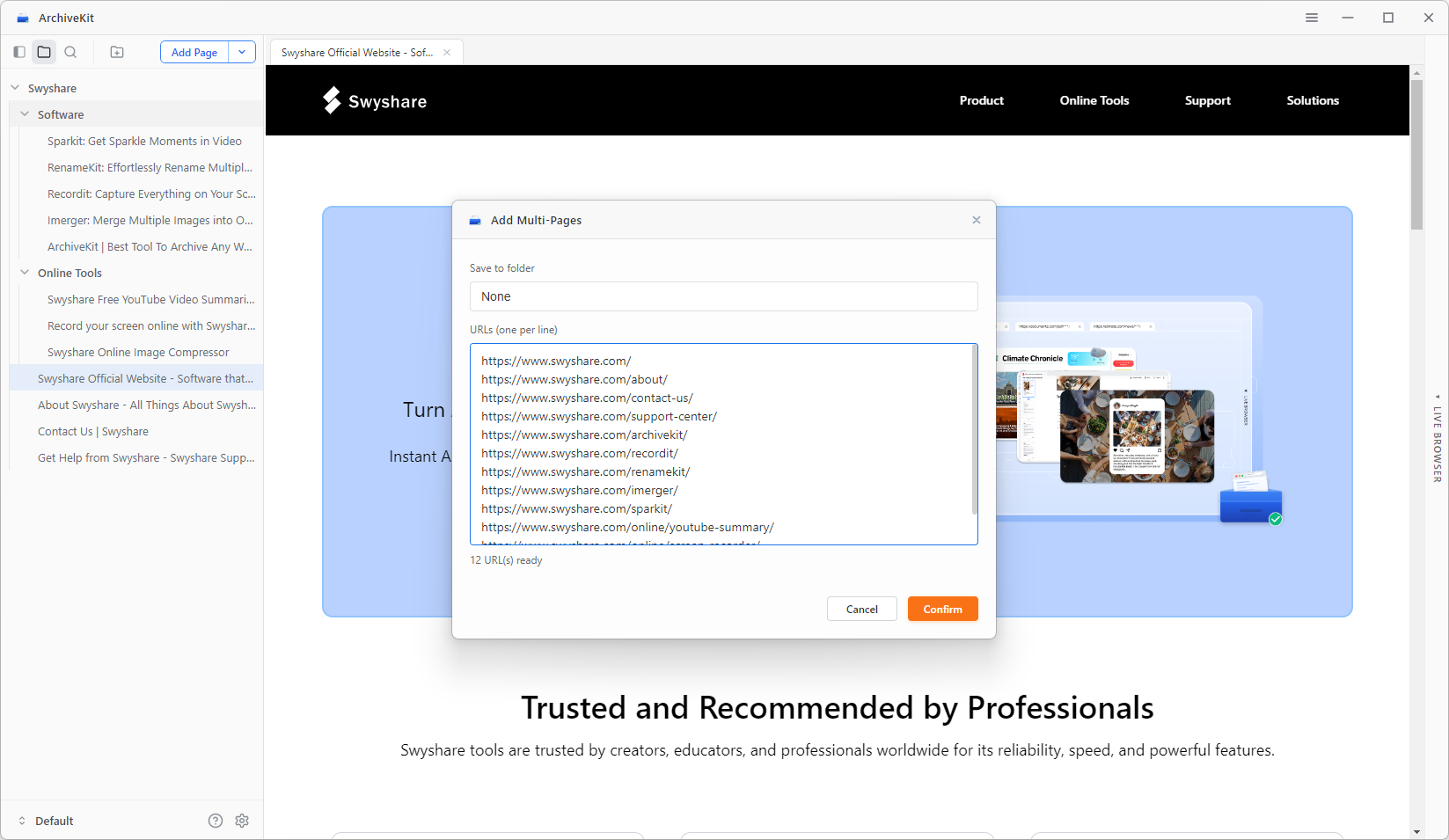
- 여러 웹페이지 URL을 가져와 일괄 저장
- 웹페이지의 원래 모양과 구조를 그대로 유지하세요.
- 로그인한 페이지 콘텐츠를 내장 브라우저를 사용하여 보관합니다.
- 사용자 지정 폴더를 사용하여 보관된 웹페이지를 정리하세요.
- 내장된 검색 기능을 사용하여 저장된 페이지를 빠르게 찾으세요.
ArchiveKit을 사용하여 웹페이지를 저장하는 방법:
- 다운로드 및 설치 Swyshare 컴퓨터에 ArchiveKit을 설치하세요.
- 웹페이지 URL을 ArchiveKit에 복사하여 붙여넣으면 아카이빙을 시작할 수 있습니다.
- 라이브 브라우저 모드를 사용하여 로그인하고, 비공개 또는 제한된 웹페이지 콘텐츠에 액세스하고 보관하세요.
- 로컬에서 언제든지 보관된 웹페이지를 정리, 관리하고 빠르게 검색할 수 있습니다.
6. 결론
웹페이지를 바탕화면에 저장하는 것은 중요한 온라인 콘텐츠를 나중에 다시 볼 수 있도록 보존하는 실용적인 방법입니다. HTML 파일, PDF, 바탕화면 바로가기 또는 전체 페이지 스크린샷 등 어떤 형식으로 저장하든 각 방법은 사용자의 필요에 따라 고유한 장점을 제공합니다.
웹페이지를 가끔 저장하는 경우에는 브라우저의 내장 기능이 잘 작동합니다. 하지만 동적인 웹페이지를 보관하거나 여러 페이지를 일괄 저장해야 하는 경우에는, Swyshare ArchiveKit이 최선의 선택입니다.
일괄 URL 가져오기, 전체 페이지 보존, 오프라인 웹페이지 정리와 같은 기능을 제공합니다. 아카이브킷 온라인에 보이는 그대로 웹페이지 모음을 영구적으로 구축하는 것을 쉽게 만들어 줍니다.