
스크린샷은 인터넷에서 정보를 저장하는 일반적인 방법이 되었습니다. 유용한 기사, 흥미로운 이미지, 온라인 대화 또는 나중에 참조하고 싶은 페이지의 스크린샷을 찍을 수 있습니다. 하지만 웹사이트에서 무언가를 캡처할 때, 웹사이트 측에서 사용자가 무엇을 했는지 알고 있는지 궁금할 수 있습니다.
이 글에서는 스크린샷 감지 작동 방식, 웹사이트에서 스크린샷을 감지하거나 방지할 수 있는 경우, 그리고 웹페이지 콘텐츠를 녹화하거나 저장해야 할 때 취할 수 있는 조치에 대해 설명합니다.
1. 웹사이트에서 스크린샷을 감지할 수 있나요?
대부분의 일반 웹사이트의 경우 답은 다음과 같습니다. 아니요 .
macOS의 스크린샷 도구나 Windows의 캡처 도구와 같은 시스템 수준 도구를 사용하여 스크린샷을 찍으면 운영 체제가 스크린샷 처리를 담당합니다. 일반적으로 웹페이지는 사용자가 화면을 캡처했다는 정보를 수신하지 않습니다.
예를 들어, Mac에서는 누를 수 있습니다. Shift + Command + 4 화면의 일부를 캡처하려면 Windows에서 윈도우 + 쉬프트 + S 스니핑 도구 인터페이스가 열립니다. 일반적인 브라우저 세션에서는 웹사이트가 사용자가 이러한 바로가기를 사용했는지 직접 감지할 수 없습니다.
이는 웹페이지 자체 내에서 발생하는 동작과는 다릅니다. 웹사이트는 자바스크립트를 사용하여 키보드 입력, 클릭, 포커스 변경 또는 브라우저 창 변경과 같은 특정 브라우저 이벤트를 모니터링할 수 있습니다. 그러나 이러한 이벤트를 감지한다고 해서 웹사이트가 사용자가 실제로 스크린샷을 찍었는지 여부를 판단할 수 있는 것은 아닙니다.
2. 스트리밍 웹사이트는 스크린샷을 감지할 수 있나요?
스트리밍 서비스와 DRM으로 보호되는 서비스는 또 다른 특별한 경우입니다.
일부 플랫폼은 디지털 저작권 관리(DRM) 및 보호된 미디어 재생 기술을 사용합니다. 이러한 시스템은 단순히 스크린샷 단축키를 눌렀는지 감지하는 대신, 보호된 비디오의 렌더링 방식을 제한할 수 있습니다.
가능한 결과 중 하나는 다음과 같습니다. 검은색 스크린샷 또는 검은색 화면 녹화 모니터에서는 웹사이트가 정상적으로 보일 수 있지만, 캡처된 이미지나 동영상에는 보호된 콘텐츠가 표시된 부분이 검은색으로 나타날 수 있습니다.
이는 웹사이트가 "사용자가 스크린샷을 찍었습니다"라는 메시지를 수신했다는 것을 반드시 의미하는 것은 아닙니다. 오히려 보호된 콘텐츠가 표시되고 캡처되는 방식의 결과일 수도 있습니다.
3. 웹사이트는 화면 녹화를 감지할 수 있나요?
화면 녹화는 스크린샷 찍기와 약간 다릅니다.
최신 브라우저는 사용자가 권한을 부여할 경우 웹사이트에서 사용할 수 있는 화면 공유 및 화면 캡처 API를 제공합니다. 예를 들어 웹 애플리케이션은 특정 브라우저 탭, 창 또는 디스플레이에 대한 접근 권한을 요청할 수 있습니다.
이러한 상황에서 웹사이트는 화면 캡처가 브라우저 API를 통해 이루어지고 있기 때문에 화면 캡처가 진행 중임을 알 수 있습니다.
하지만 이는 일반적인 시스템 수준 녹화와 혼동해서는 안 됩니다. 브라우저와 별개로 데스크톱 화면 녹화 프로그램을 사용하는 경우, 일반 웹사이트는 일반적으로 운영 체제의 녹화 활동에 직접 접근할 수 없습니다.
4. 보너스 1: 스크린샷 대신 ArchiveKit을 사용하여 웹사이트 페이지를 로컬에 저장하세요
웹페이지를 나중에 다시 보기 위해 저장하는 것이 주된 목적이라면, 스크린샷을 찍는 것이 항상 최선의 선택은 아닙니다.
스크린샷은 화면에 표시되는 내용의 시각적 이미지만 저장합니다. 웹페이지 아카이브처럼 웹페이지의 구조, 링크, 텍스트 서식 또는 기타 리소스를 보존하지는 않습니다.
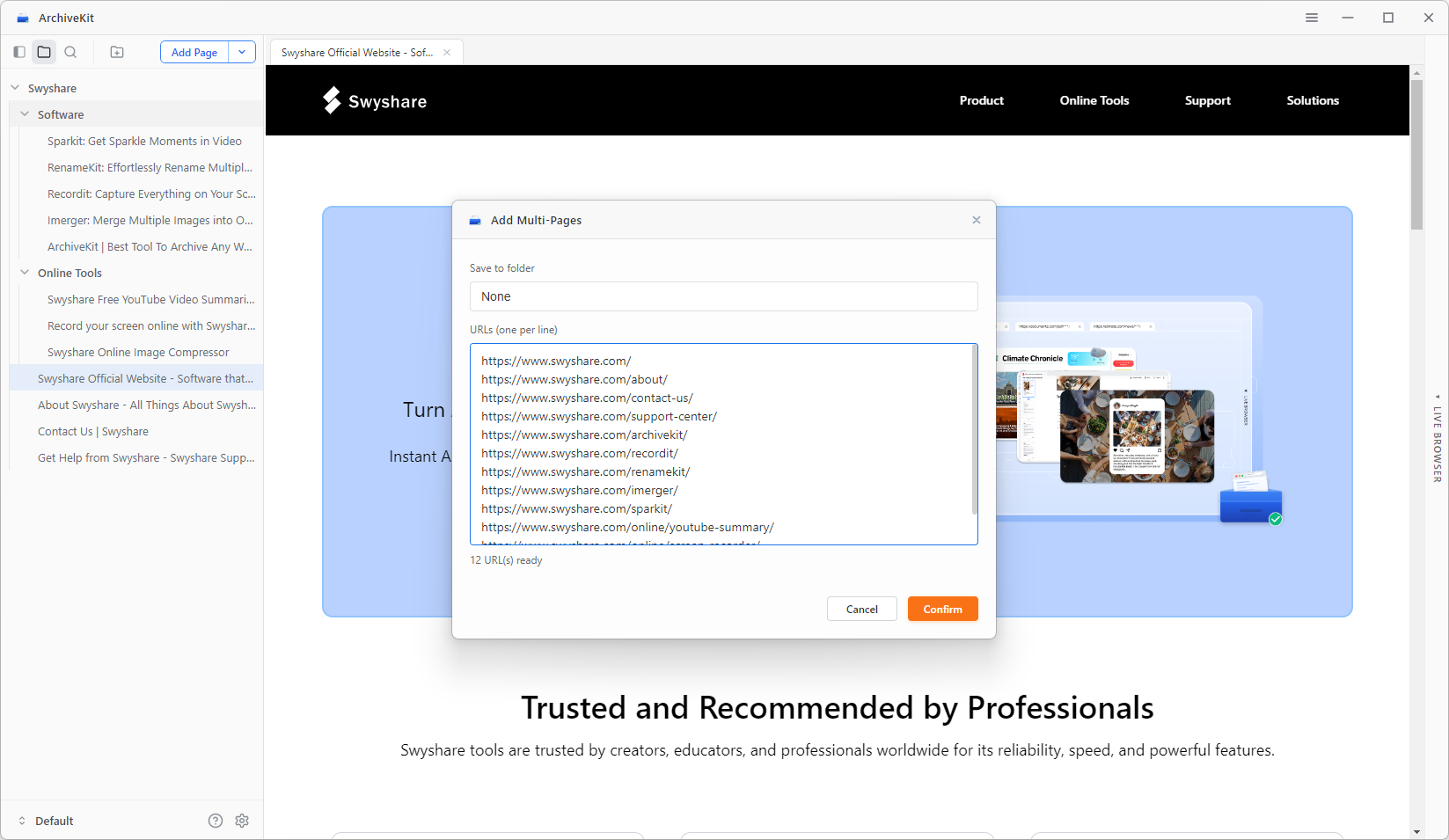
아카이브킷 웹페이지를 로컬에 저장하는 편리한 방법을 제공합니다. 여러 번 스크린샷을 찍는 대신, 웹페이지를 아카이브하여 나중에 참조할 수 있도록 로컬에 사본을 보관할 수 있습니다.
기본 과정은 간단합니다.
ArchiveKit을 기기에 다운로드, 설치 및 실행하세요.
ArchiveKit에서 저장하려는 웹페이지를 열고 모든 페이지를 불러온 다음 아카이빙 프로세스를 시작하세요. 완료되면 저장된 웹페이지를 로컬에서 확인할 수 있습니다.
5. 보너스 2: 검은 화면 없이 화면 녹화하기 Recordit
때로는 정적인 스크린샷 이상의 것이 필요할 수 있습니다. 예를 들어, 소프트웨어 시연, 웹페이지 상호 작용, 프레젠테이션 또는 녹화 권한이 있는 비디오를 녹화하고 싶을 수 있습니다.
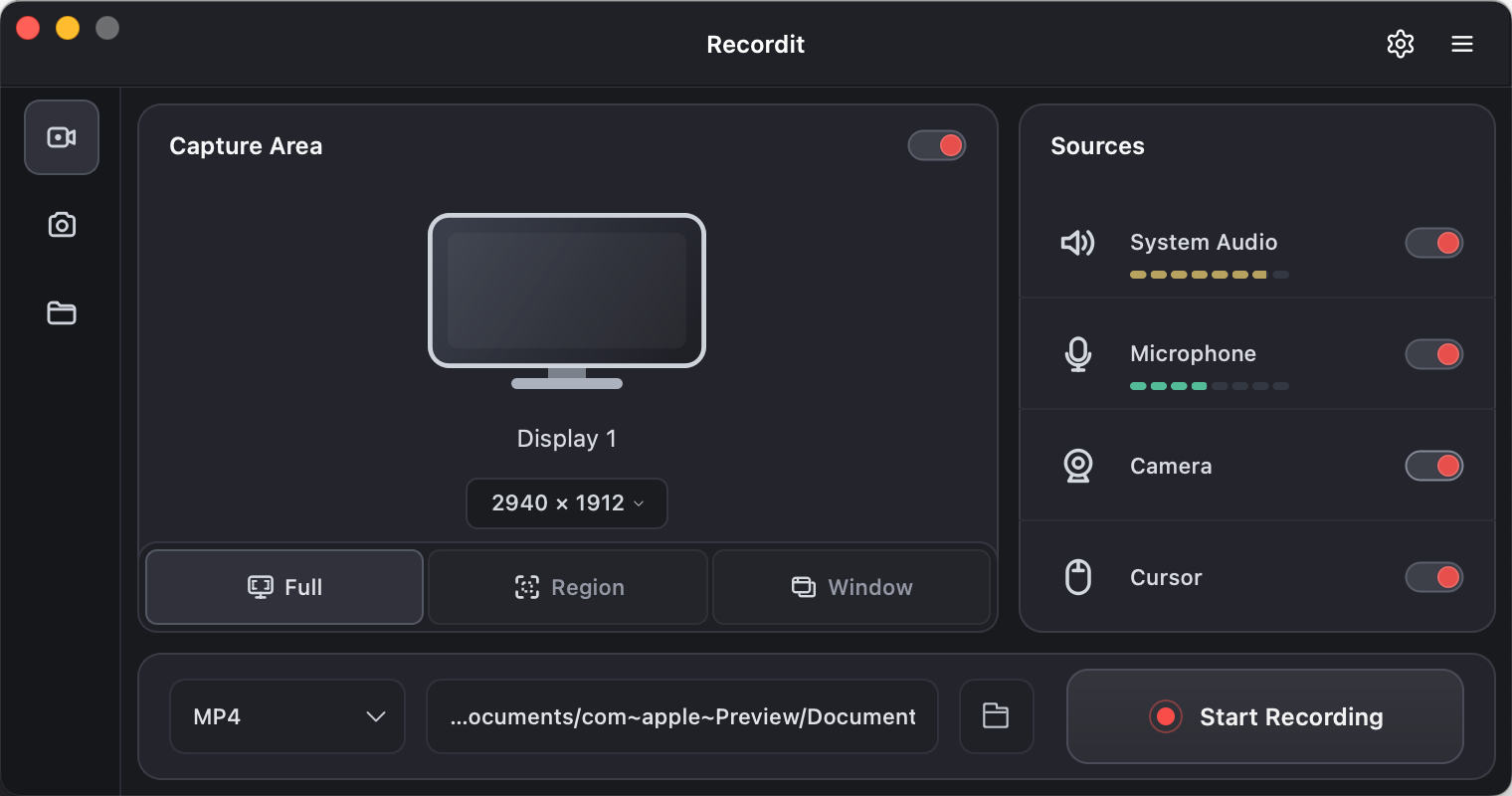
Recordit 이 프로그램은 복잡한 녹화 설정 없이 데스크톱 활동(DRM으로 보호된 콘텐츠 포함)을 캡처할 수 있는 간단한 화면 녹화 도구입니다.
화면을 녹화하려면 Recordit :
- 얻다 Recordit Windows 또는 Mac에 설치한 다음 실행하세요.
- 전체 화면 또는 특정 영역과 같은 녹화 영역을 선택하십시오.
- 소리를 녹음해야 하는 경우 오디오 설정을 선택하세요.
- 녹화를 시작하고 녹화하려는 활동을 수행하세요.
- 촬영이 끝나면 녹화를 중지하고 저장된 영상을 확인하여 화면과 음성이 제대로 녹화되었는지 확인하세요.
6. 결론
그렇다면 웹사이트는 스크린샷을 감지할 수 있을까요? 대부분의 일반적인 웹사이트의 경우 답은 다음과 같습니다. 아니요 일반적으로 웹사이트는 사용자가 컴퓨터에 내장된 스크린샷 기능을 사용하는지 직접적으로 알 수 없습니다.
스트리밍 플랫폼과 보호된 콘텐츠는 상황이 다를 수 있습니다. DRM 및 기타 기술로 인해 스크린샷이나 녹화 시 특정 콘텐츠가 제대로 캡처되지 않아 검은 화면이 나타나는 경우가 있습니다. 또한 웹사이트는 사용자가 브라우저 기반 화면 공유 API를 명시적으로 사용하고 필요한 권한을 부여할 경우 화면 캡처를 감지할 수 있습니다.
단순히 웹페이지를 보존하고 싶다면 로컬에 저장하면 됩니다. 아카이브킷 스크린샷을 찍는 것보다 더 유용할 수 있습니다. 허용된 데스크톱 활동을 기록해야 하는 경우, Recordit 간단한 화면 녹화 기능을 제공합니다.